
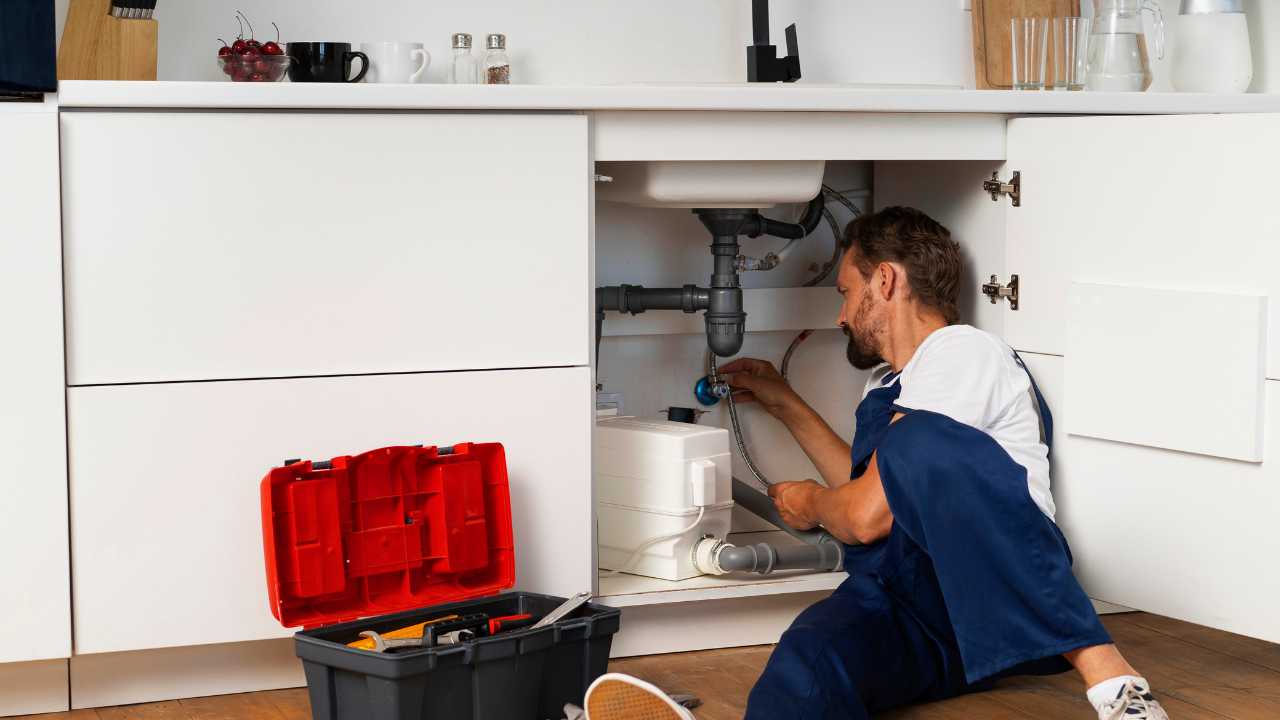

We totally get it when serious expenses like plumbing services come unannounced. These little issues can slowly lead to bigger ones and ofcourse you won’t take a risk and wait for serious issues to get worse. This is where you need quick fixes from the experts and plumbing services in Dublin can vary widely in price, and understanding these costs upfront can save you from unexpected expenses later.
Plumbing work is a MUST and hard to ignore because it keeps your home running smoothly, whether it’s fixing leaks, installing new fixtures, servicing your boiler, or handling emergency repairs. In a busy city like Dublin, having access to reliable plumbers who offer transparent pricing is crucial, especially when problems arise unexpectedly.
In this blog, we’ll explore how much plumbing services cost in Dublin, factors that influence pricing, and share practical tips to help you plan your plumbing expenses with confidence.
How Much Do Plumbing Services Cost in Dublin?
The cost of plumbing services in Dublin can vary depending on the type of work required, the complexity of the job, and whether it’s an emergency. On average, plumbers in Dublin charge between €50 and €100 per hour for standard services.
For basic repairs such as fixing leaks, unclogging drains, or replacing taps, you can expect to pay around €50 to €70 per hour. These are typically quick jobs that don’t require specialist equipment.
When it comes to pipe replacements or installations, such as fitting new plumbing lines or installing heating systems, the rates usually increase to €70 to €100 per hour due to the additional time and expertise involved.
If you need emergency plumbing services outside normal working hours, costs rise further, typically ranging from €100 to €150 per hour, reflecting the urgency and after-hours response.
What Factors Influence the Cost of Plumbing Services in Dublin?
Understanding the factors that affect plumbing costs in Dublin can help you plan better and avoid unexpected surprises on your bill.
1. Type and Complexity of the Job
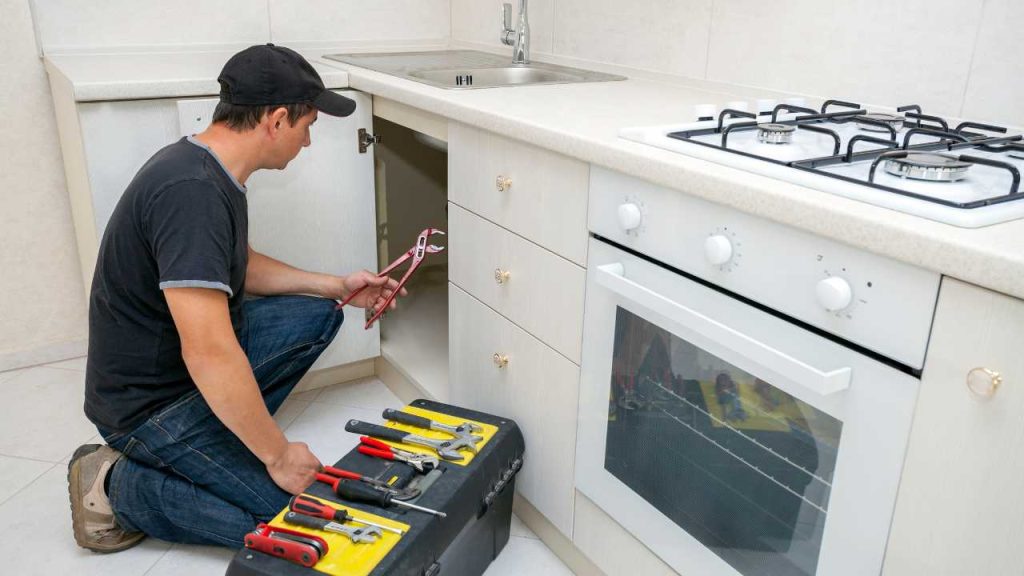
One of the biggest factors influencing cost is the nature of the work itself. Simple tasks such as fixing a dripping tap or unclogging a sink are generally quick and inexpensive. On the other hand, complex jobs like installing a new heating system or detecting hidden leaks require more time, specialised tools, and advanced expertise. All of these elements can increase the overall cost.
2. Materials and Parts Used
The quality and type of materials can significantly impact pricing. For example, choosing high-quality fixtures, energy-efficient boilers, or specialised fittings often raises the total cost. On the other hand, standard parts are usually more affordable but may not offer the same longevity. Investing in durable materials can lead to long-term savings by reducing future repair or replacement costs.
3. Timing of the Service
Emergency plumbing jobs outside regular working hours usually come with higher call-out rates. Evening, weekend, or holiday services often cost more because plumbers must prioritise the job and adjust their schedules. Planning maintenance during regular hours can help keep costs under control. Booking non-urgent work in advance is one of the simplest ways to avoid premium charges.
4. Location of the Property
Properties in central Dublin may face slightly higher rates due to parking restrictions, traffic congestion, or access issues. Similarly, if plumbing work involves tight spaces, hard-to-reach pipes, or areas that require additional preparation, labour time can increase, leading to higher overall costs. Discussing any potential accessibility challenges with your plumber beforehand can prevent delays and unexpected charges.
How Can You Save Money on Plumbing Services Without Compromising Quality?
Saving money on plumbing services in Dublin doesn’t mean cutting corners but this is actually a smart, informed decision that protects both your home and your budget.
1. Schedule Regular Maintenance
Preventative maintenance is one of the most effective ways to avoid costly repairs later. A little planning goes a long way in protecting your home and your wallet. Setting up a regular maintenance schedule with a trusted plumber can help spread out costs and keep your system running efficiently.
2. Combine Multiple Jobs into One Visit
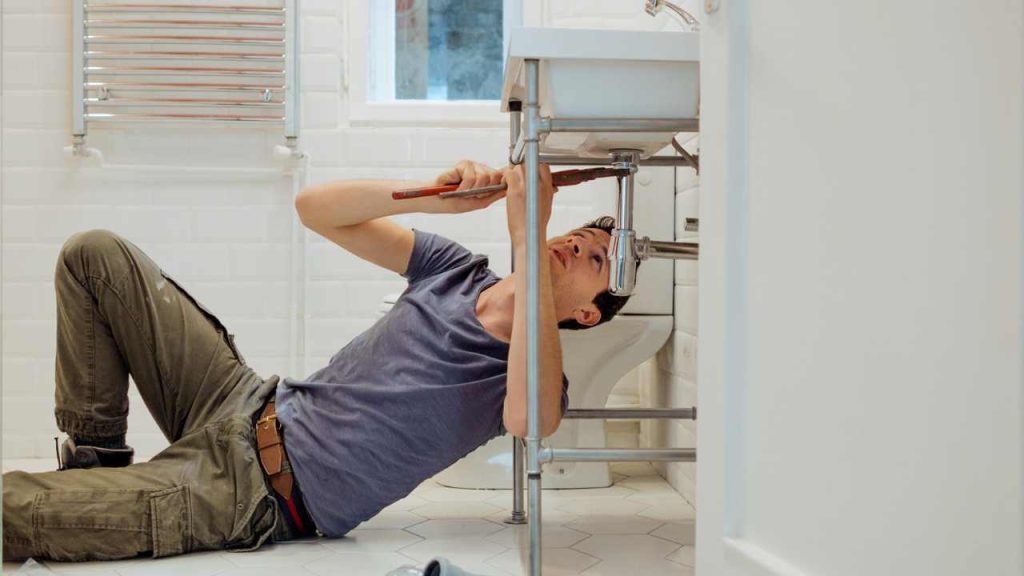
If you have several small plumbing tasks, it’s often cheaper to bundle them together in a single appointment. This saves on repeated call-out fees and reduces overall labour costs. For example, fixing a dripping tap while also servicing your boiler can be more cost-effective than booking separate visits. It’s a smart way to get more value from each service appointment without sacrificing quality.
3. Choose Trusted Plumbers
Selecting a reputable local plumbing company can actually save you money in the long run. Experienced professionals work efficiently, provide accurate quotes, and offer guarantees on their work. Cheap labour often leads to poor-quality results and higher future costs. Reading reviews and checking credentials before hiring can help ensure you choose the right team.
4. Invest in Quality Fixtures and Parts
While it might be attractive to go for the cheapest option, high-quality fixtures and components often last longer and require fewer repairs. Spending a bit more upfront can lead to significant savings over time by reducing maintenance needs and extending the life of your plumbing system. Quality materials also enhance overall performance, ensuring your plumbing works efficiently for years to come.
Conclusion
Plumbing services play an important role in keeping your home safe, functional, and comfortable, yet many homeowners only think about them when unexpected issues arise. From hourly rates and emergency fees to factors like job complexity, materials, and timing, several elements influence overall pricing. So, when you are planning ahead, choosing quality fixtures, and working with trusted professionals, you can manage your plumbing expenses effectively while ensuring long-term reliability.
Our experienced Dublin plumbers provide professional services, honest quotes, and fast response times you can rely on. Contact Cortech Plumbing today to request your free quote or schedule a service with our trusted team.